Featured


An Unbiased View of Is It Worth of Professional Fee Waivers and Discounts for Bankruptcy Counseling: Who Qualifies?
Table of Contents
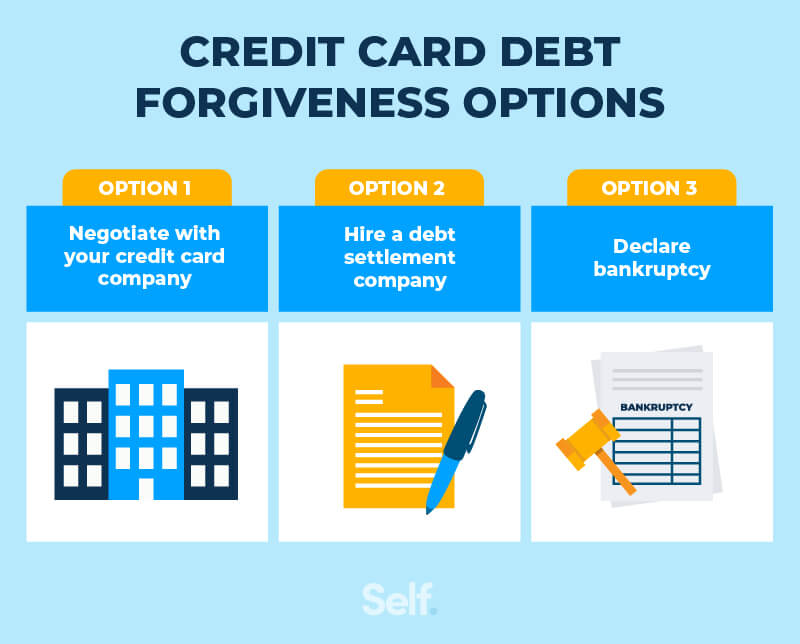
That liberates money in the short term, and you may have 3 to 4 years to conserve towards the settlement amount. Really dangerous to credit report, mostly as a result of missed out on payments and a negative "worked out" mark that might stay on your credit rating record for as much as 7 yearsMay be only option if other alternatives (financial debt consolidation, balance transfer charge card, debt mercy) aren't possibleTypically needs a cost to the 3rd celebration, which could offset some or every one of the cost savings from financial obligation settlementMay aid you prevent insolvency if you have actually missed a number of paymentsNot all financial institutions deal with financial debt negotiation business Financial obligation forgiveness might be best for you if you are experiencing a financial hardship that makes it virtually impossible to pay for your financial obligation balances.

With a DMP, you make one regular monthly settlement to the credit history therapy agency. Those funds are after that distributed to financial institutions of your unprotected financial debts, such as credit score cards and installment fundings. The company deals with your lenders to reduce rates of interest or waive fees, yet some lenders may reject such giving ins.
It can aid you pay down financial debt if you're able to protect a financing price that's lower than the typical rate of the accounts you're consolidating. You need to abstain from racking up financial debt on those freshly removed accounts or your debt could expand even higher.
That gives you lots of time to remove or substantially decrease your balance while making interest-free settlements.
The How Avoiding Your Debt Problems Causes Things Harder PDFs
You may need it if your creditor or a collection agency ever before attempts to accumulate on the financial debt in the future. When a lending institution forgives $600 or more, they are required to send you Form 1099-C.
Financial debt forgiveness or negotiation generally injures your debt. Anytime you resolve a financial obligation for much less than you owe, it may look like "cleared up" on your credit scores report and impact your credit report for seven years from the date of negotiation. Your credit report can also drop significantly in the months leading to the forgiveness if you fall back on payments.
Some Known Details About No-Cost Digital Debt Counseling Materials for Families
Tax obligation debt compromise programs Tax debt occurs when the quantity of tax obligations you owe exceeds what you have paid. This situation commonly arises from underreporting income, not submitting returns on time, or discrepancies located throughout an internal revenue service audit. The effects of gathering tax obligation financial debt are major and can consist of tax obligation liens, which provide the IRS a lawful case to your residential property as safety for the financial debt.
Higher rates of interest on offered credit score. Salaries and Bank Accounts internal revenue service can impose (seize) earnings and financial institution accounts to satisfy the debt. Minimized revenue and interruption of essential economic procedures. Residential or commercial property Seizure In severe instances, the IRS can take and market home to cover the debt. Loss of valuable properties and prospective variation.
Anxiety, anxiety, and various other mental wellness problems. Social Stigma Encountering lawful action from the internal revenue service can carry social stigma. Damages to online reputation and relationships. Employment Opportunities A bad credit rating due to tax financial debt can limit job opportunity. Problem searching for or keeping a job. Federal government Advantages Tax obligation financial obligation might affect eligibility for government benefits, such as Social Safety and Medicaid.
Not known Details About How Quality Counselors Differ in the Industry
The OIC takes into consideration a number of variables, consisting of the taxpayer's income, expenses, property equity, and capacity to pay. Successfully bargaining an OIC can be complex, needing a complete understanding of the IRS's standards and a strong argument for why your offer aligns with your ability to pay. It is very important to note that not all applications are accepted, and the procedure needs thorough economic disclosure.
The IRS analyzes your general financial situation, including your revenue, expenses, property equity, and ability to pay. You have to likewise be present with all filing and payment demands and not be in an open insolvency case. The internal revenue service likewise considers your compliance background, reviewing whether you have a record of prompt declaring and paying taxes in previous years.
The smart Trick of Free Online Debt Counseling Resources That Help Families That Nobody is Discussing
The application procedure for an Offer in Concession includes a number of in-depth steps. First, you must finish and send IRS Kind 656, the Deal in Concession application, and Form 433-A (OIC), a collection info declaration for individuals. These kinds call for thorough financial details, consisting of information regarding your revenue, financial debts, expenses, and properties.
Back tax obligations, which are unpaid taxes from previous years, can significantly boost your total internal revenue service financial obligation otherwise resolved quickly. This debt can accrue passion and late settlement fines, making the original quantity owed a lot larger with time. Failure to pay back taxes can cause the IRS taking enforcement activities, such as releasing a tax lien or levy against your home.
It is very important to deal with back taxes immediately, either by paying the full quantity owed or by setting up a settlement plan with the internal revenue service. By taking proactive steps, you can avoid the accumulation of added rate of interest and fines, and stop more hostile collection activities by the internal revenue service.
One typical factor is the belief that the taxpayer can pay the complete quantity either as a lump sum or through a payment strategy. The IRS likewise considers the taxpayer's income, costs, asset equity, and future earning capacity. If these factors show that the taxpayer can manage to pay even more than the supplied amount, the internal revenue service is most likely to decline the offer.
The Only Guide for Understanding Bankruptcy Types Before You Decide
Dealing with IRS financial obligation can be complicated and daunting. Tax obligation experts, such as CPAs, tax obligation attorneys, or enlisted representatives, can give invaluable aid.

Table of Contents
Latest Posts
How How Top Providers Differ from the Industry can Save You Time, Stress, and Money.
An Unbiased View of Categories of Relief Programs Offered Today

What Does Free Learning Debt Counseling Resources That Help Individuals Do?
More
Latest Posts
How How Top Providers Differ from the Industry can Save You Time, Stress, and Money.
An Unbiased View of Categories of Relief Programs Offered Today
What Does Free Learning Debt Counseling Resources That Help Individuals Do?